The question missing from reviews: does the game respect your time?
Technical scores do not answer whether an 80-hour game deserves your 80 hours. A three-question method for choosing what to play after work.

Reviews measure graphics, audio, mechanics. They rarely answer the question an adult with twelve free hours a week needs: will this game honour the time it asks for? Three questions settle it.
Question one: how much of the game is mandatory? Thirty hours of campaign with five of filler is a better deal than twenty with twelve. Look for the dry curve - the point where the game stops teaching and starts charging patience.
Question two: does progress survive a pause? Games that punish a two-week absence charge a second purchase of time. Quest logs, maps and inventories that re-explain themselves are worth more than they look.
Question three: is there a decent exit point? A game that lets you finish an honest story at 40 hours respects you more than one stretched to 70 with repeated content. A credit roll on time is a feature, not a flaw.
Combined, the three questions turn a purchase decision into something closer to hiring than gambling. And that is exactly what a good review should offer: not a score, a contract.
Read next
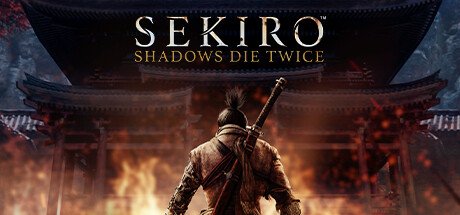
Sekiro: Shadows Die Twice
You do not swap weapons here; you learn posture. Our story covers the perfect-parry rhythm that turns the game…
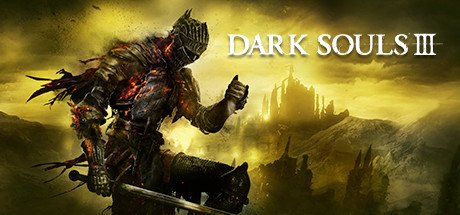
Dark Souls III
The trilogy closes strong: bosses that demand reading, not raw power. A guide to the most reliable builds for …

Hades II
Melinoë and the occult: new weapons, new rhythm. Which aspects are worth your first ten hours and which wait f…

God of War
Kratos up north: combat with real weight and a camera that refuses to cut. Gear picks that honour the chosen d…